Policy Brief ,,(In)Vulnerability of Youth to disinformation”

As part of the “Youth Digital Democracy Accelerator” project, young people authored the policy brief “(In)Vulnerability of Youth to disinformation”. This document explores the growing vulnerability of young people in Montenegro to disinformation in the digital space. Developed by UZOR, it analyzes the root causes of low media and digital literacy, the impact of algorithm-driven…

Read more

In Montenegrin Political Discourse, There Are No Opponents—Only Enemies

In Montenegro, political opponents are no longer seen as legitimate dissenters, but as enemies. The absence of clear standards for sound argumentation creates room for double interpretations, logical fallacies, and emotional manipulation.As a result, public rhetoric becomes saturated with exclusivism, labeling, and hate speech, narrowing the space for rational political debate and ultimately weakening the…

Read more

Film “Civic State with Inflammatory Rhetoric” 

In Montenegro, political leaders often accuse their opponents of spreading hatred, while simultaneously using identical rhetorical strategies to discredit dissenters. On the World Day Against Hate Speech, we are releasing a video reminder that due to a lack of understanding of good argumentation standards in the public sphere, politics in our country often gains a…

Read more

Youth Digital Rights Talks: Creativity in Digital Communication

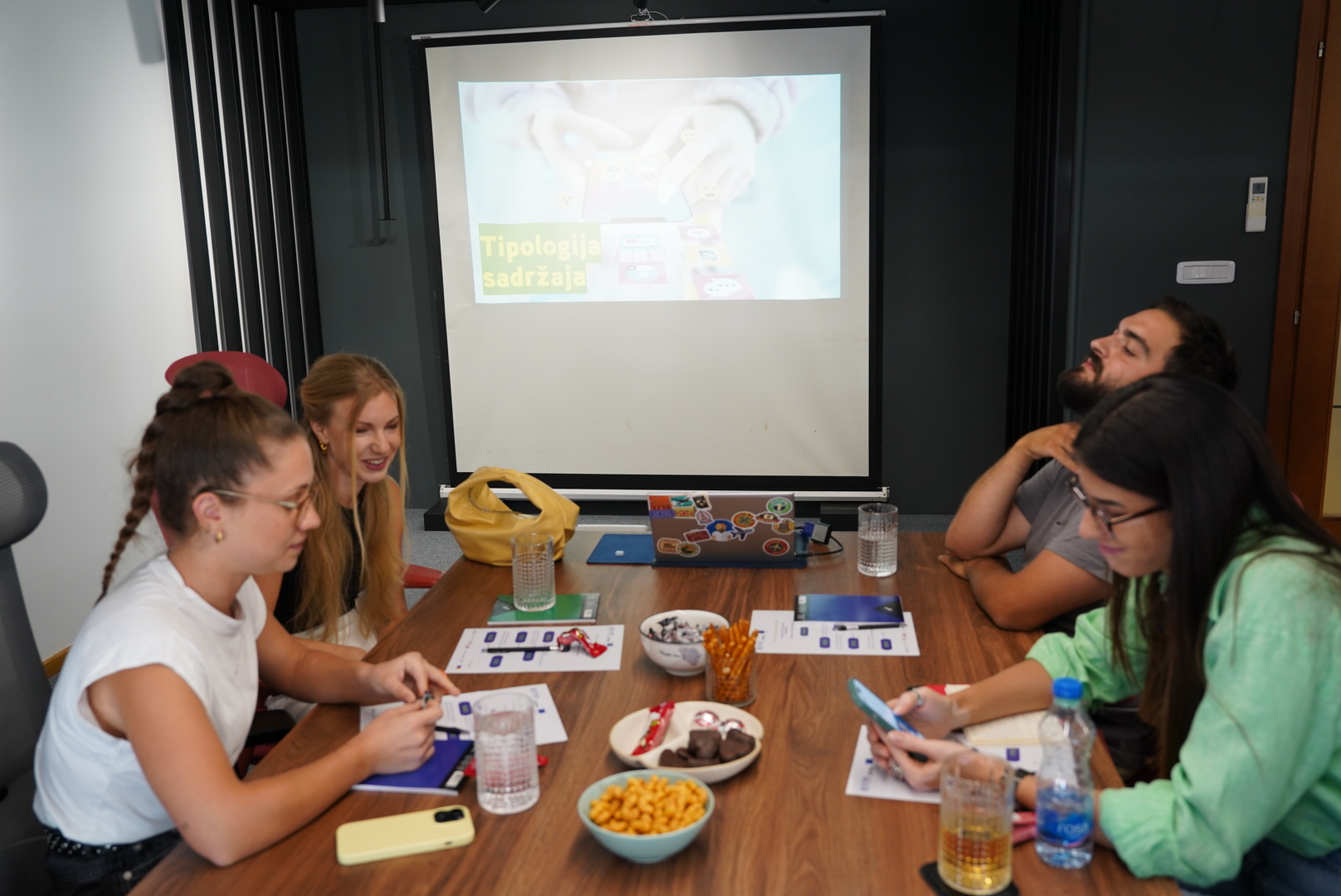
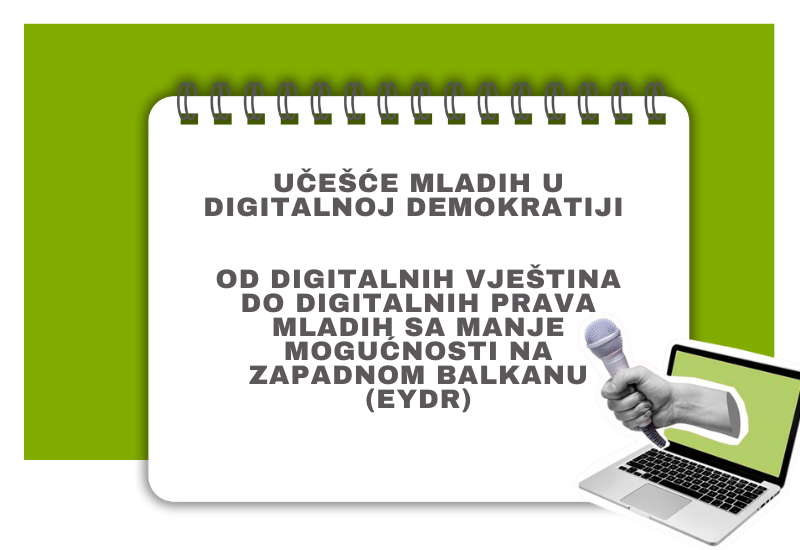
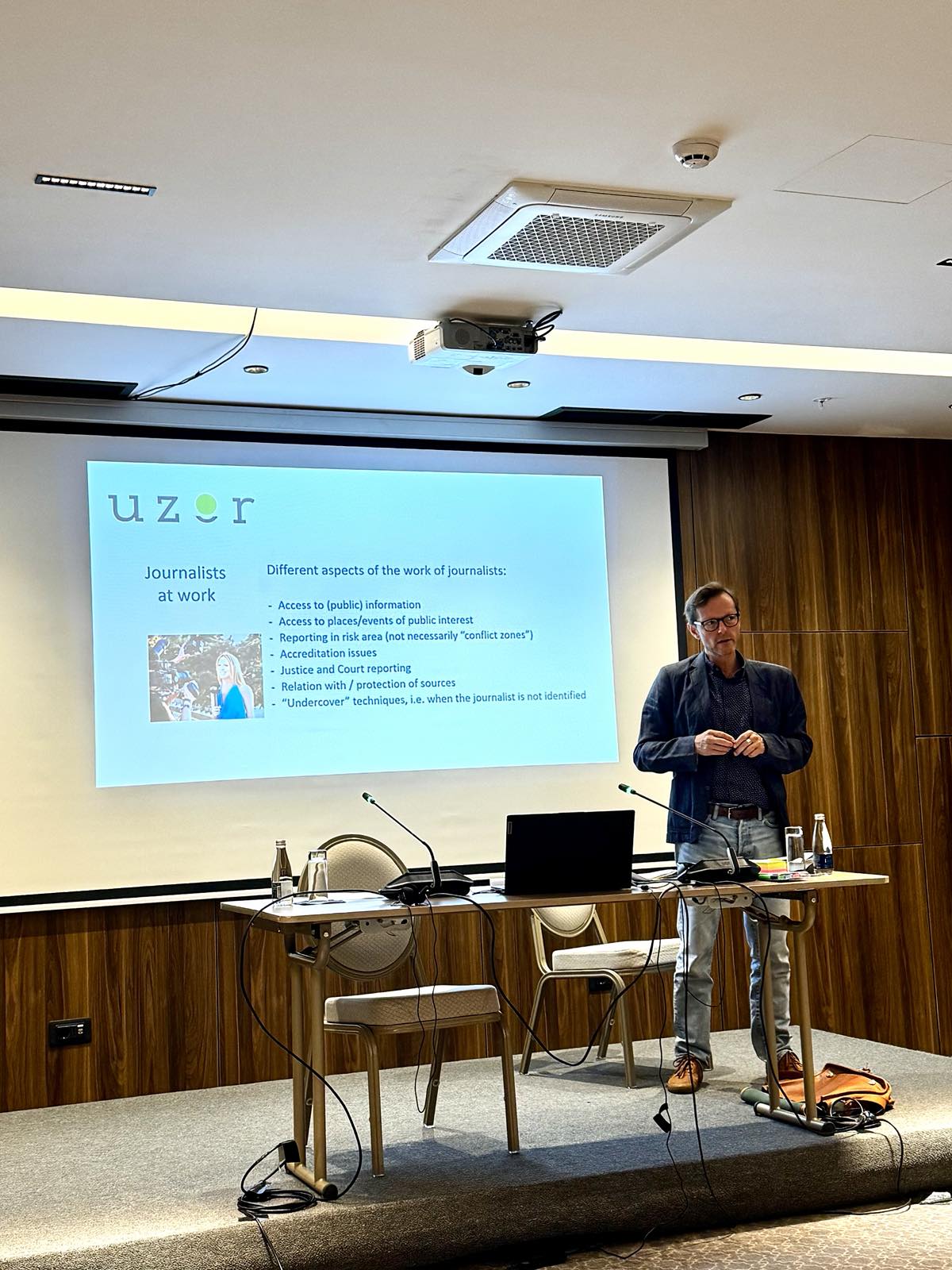
Another event was successfully held as part of the project “Youth Participation in Digital Democracy – From Digital Skills to Digital Rights for Youth with Fewer Opportunities in the Western Balkans”, implemented by UZOR in cooperation with partners and with the support of the European Union. On Friday, June 20, the program participants had the…

Read more

First Kick-OFF meeting of the SMILE incubator project

Members of the UZOR project team attended the first kick-off meeting of the SMILE Incubator project, which is part of the Interreg Danube Programme, held on 28 May in Ljubljana and organized by the lead partner – School of Advanced Social Studies (SASS). The meeting brought together representatives of 15 project partners and 4 associated…

Read more